
1. Introduction
2. Defining the problem
2.1. THE PATIENT’S PERSPECTIVE
2.2. THE OSTEOPATH’S PERSPECTIVE
2.2.1. The “sentinel”
2.2.2. A healthy state – *corpus sanum in ambiente sano*
2.2.3. The (health) problem according to A.T. Still
2.2.4. Shifts in rhetoric
3. Osteopathic technique
3.1. A CLASSIFICATION OF TECHNIQUES
3.1.1. Classification based on functional unit
3.1.2. Classification based on “modus operandi”
3.2. THE ESSENCE BEHIND THE OSTEOPATHIC TECHNIQUE
3.2.1. Defining the problem
3.2.2. Defining the current pattern of strain – which strain carrier
3.2.3. Defining the current pattern of strain – which direction
3.2.4. Where the pattern is located – target zone
3.2.5. The correction mode
4. Conclusions and recommendations
5. Literature
___________________________________________________________________________________________
- Introduction
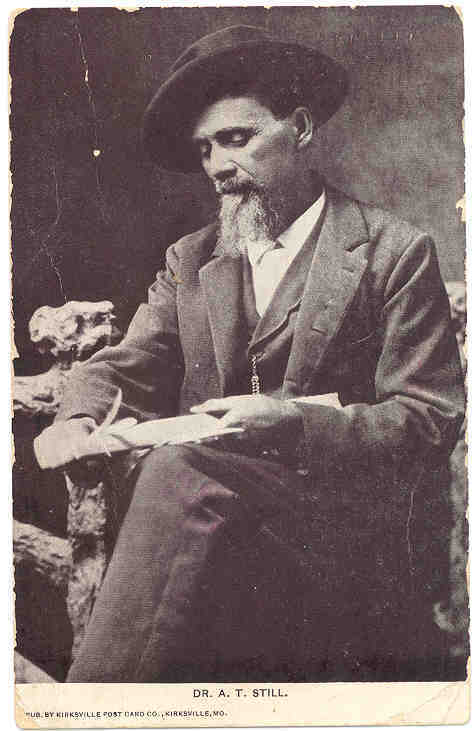
Over the past few decades, the concept and content of osteopathy have changed significantly. It is not the intention here to examine the underlying causes of this shift. What is clear, however, is that many therapists feel comfortable adopting the title of "osteopath" without any profound reflection. Often immediately after successfully completing a "supposedly reputable" training program. It is worth noting that this applies regardless of whether the training is a two-year specialization (following a degree in physiotherapy) or a more comprehensive five-year program (whether pursued part-time or full-time). In essence, this distinction has become irrelevant, as a new, overarching trend has emerged in recent decades: the extent to which one can be categorized as an "osteopath" now depends largely on the number of "osteopathic techniques" one has mastered and how well one can execute them. This has clearly become the new standard. Even though A.T. Still himself envisioned a completely different approach and set of criteria! According to historical accounts, A.T. Still was known for the fact that he did not demonstrate specific techniques. This is illustrated, for instance, by the following quote from him:
… I do not instruct the student to punch or pull a certain bone, nerve or muscle for a certain disease, … – Philosophy of Osteopathy, 1899, Preface p. 2
This raises the question of which criteria should be used to classify a technique as osteopathic. To provide an answer, it is first necessary to gain a more thorough understanding of the underlying concept.
- Defining the Problem
The subject of this article is the “osteopathic technique.” The term “technique” is defined as the set of inventions that humans use to solve problems. These inventions can be material in nature (tools), but they also encompass the application of knowledge and skills. The extent to which a technique is ultimately effective is largely determined by how the problem – for which the technique is being employed – is defined. Defining the problem as accurately as possible is therefore an essential step that precedes both the selection and the application of a technique. This process of definition, as part of problem-solving, is no simple task, as it is highly dependent on the individuals involved. It is therefore worth examining “the problem” more closely from the perspectives of both parties: the patient and the osteopath.
2.1. THE PATIENT’S PERSPECTIVE
For the patient, the problem consists of a failure to function properly. To a large extent, this not well functioning manifests as a subjective complaint or sensation experienced by the patient. Such complaints (e.g., pain, nausea, fatigue, anxiety, etc.) are defined as symptoms.
According to the osteopathic concept, if an osteopath places the patient’s symptom at the center of their approach to the problem, they are essentially making a fundamental error. This does not mean that the symptom should be ignored. However, using the symptom as the “starting point” for examination and treatment runs counter to what A.T. Still clearly stated:
"Osteopathy is based on the perfection of Nature's work. When all parts of the human body are in line we have health. When they are not the effect is disease… Disease is an effect only, … - Osteopathy, Research and Practice, 1910, Preface page vii.
In the same book, A.T. Still points out in his introduction that he wishes to guide the student so that he/she does not set his/her sights on treating the visible symptoms (effects) but puts him/her on the track to the origin of the problem. But unfortunately, today his philosophy (as well as his concept being the practical implementation of his philosophy) has been reduced to a simple algorithm: “symptom – dysfunction – technique”. And apparently even this highly simplified (and even incorrect) formula is too complicated for many, as evidenced by the further simplification: “symptom – osteopathic technique”.
In the case of both algorithms, it can be established that the symptom, i.e. the subjective perception of the patient, plays an important role here. Adding the adjective “osteopathic” here essentially does not change the contradiction to A.T. Still's initial statement. The addition of the adjective here is usually used more as a cosmetic intervention to give more weight to the action. It remains to be seen whether this actually helps the patient in the end. All too often, more than one patient today apparently needs 2-3 osteopathic treatments per week because the complaint doesn't really go away (unless you wait long enough).
2.2. THE OSTEOPATH’S PERSPECTIVE
One might ask how it came to pass that such a reductionist algorithm could take hold. The answer is not easily summarized in a few words. In any case, the issue does not originate with the patient, but rather with the osteopath who is attempting to internalize the principles of osteopathic philosophy.
Admittedly, the metaphorical language Still employs in his writings does not make things any easier. Quite the contrary. Nevertheless, many answers can be found within his books. And if things prove not to be so straightforward, there are other authoritative figures from the early years of the osteopathic profession – such as R.E. Becker – to whom one might turn. Naturally, any manuscript not authored by A.T. Still must be approached with caution; after all, how can one be certain that it is not merely an interpretation of an interpretation? In the case of someone like Rolin Becker, however, we can grant a degree of credibility, as he cites A.T. Still at critical junctures. A comparative study of Still’s books and those of other early-era authors reveals clear commonalities regarding the practical application of Still’s philosophy. The specific techniques themselves are of secondary importance in this context. These crucial points of convergence will be discussed in greater detail in the following sections.
2.2.1. The “sentinel”
It can be concluded from the previous paragraph that an osteopath should ideally not pay too much attention to a symptom. Beyond the fact that a symptom should always be regarded as a consequence (an effect), it is also highly subjective and therefore difficult to quantify. It would seem, then, that the focus should instead be on more objective indicators – so-called clinical signs. However, although these can be clearly observed by an osteopath – whether or not through a specific examination – and can thus be considered essentially objective, they, too, are ultimately merely effects! In essence, therefore, these clinical signs do not truly constitute the core problem for the osteopath. In his writings, A.T. Still frequently refers to the presence of these so-called “sentinels.” His use of this term strongly suggests an influence stemming from his experiences during the American Civil War (see also Carol Trowbridge, 1991). A sentinel provides a warning before the enemy actually launches an attack. In a sense, clinical signs (as well as symptoms) can be viewed as indicators, sentinels, that signal the presence of something else elsewhere. The only question that remains is: what is it, and where is it located?
2.2.2. A healthy state – corpus sanum in ambiente sano
The question of what lies at the root of a “sentinel” is not always answered unambiguously in A.T. Still’s own writings, given the numerous metaphorical descriptions he employs. Fortunately, this is addressed by, for instance, R. Becker, who quotes A.T. Still in his book as follows:
Then Dr. Still says, “to make or furnish laws of self without patterns”. A healthy state is a state of no pattern. If you’ve got a pattern, you’ve got a strain, a disease, or a problem. If you haven’t got a problem, there’s no pattern. … - The Stilness of Life, 2000, Ann Arbor Seminar pp. 3-4
According to A.T. Still, a healthy state is one devoid of any (strain-based) pattern. This definition differs significantly from the one established by the WHO. What is particularly striking about Still’s definition is that it refers to a “state”, implying that it is, by nature, subject to change. Furthermore, this state cannot be understood in isolation from the individual’s relationship with their environment, an environment to which every individual constantly responds. If this aspect is overlooked, there is a strong possibility that the patient’s issues will sooner or later return, regardless of the technique chosen or the precision with which it was applied. Regrettably, this dimension is increasingly neglected in today’s technocratically dominated medicine. A trend also evident within osteopathy, which is itself becoming ever more dominated by a clinically sterile version of evidence-based methodology.
2.2.3. The (health) problem according to A.T. Still
As an osteopath, it is appropriate to view both symptoms and clinical signs as consequences of the presence of a "pattern of strain". It is therefore worth giving this concept closer attention.
The term consists of two words: "strain" and "pattern." These will be explored in the following sections.
- Strain
One might ask where this strain originates. An answer to this only becomes clear when two aspects are taken into account: the individual and their environment.
THE ENVIRONMENT – The role of the environment becomes apparent if one keeps the “outside-inside principle” firmly in mind when defining the phenomenon of strain. A.T. Still repeatedly emphasizes the importance of the environment. It is environmental factors that, on a daily basis, challenge the form and function of the individual by constantly subjecting them to strain. This means that the patient is, in essence, always reacting to their environment, a process that can (ultimately) lead to a symptom and/or a clinical sign. Therefore, if an osteopath fails to consider this environment, they effectively isolate the patient from their environmental context. This is a fundamental error! This often becomes evident when certain complaints recur repeatedly, regardless of the effectiveness of the osteopathic technique employed.
THE INDIVIDUAL – The patient themselves also plays an important role in the phenomenon of strain. To fully grasp this role, one must understand the importance of anatomical knowledge for the osteopath. Still leaves no doubt as to what this knowledge signifies for the practice of the osteopathic profession.
… Osteopathy cannot be imparted by books only. Neither can it be thought to a person intelligently who does not fully understand anatomy both from books and dissection. …He does not act from reason, because he does not know enough anatomy to reason from. … - Autobiography, 1908, p. 162
Every osteopathic treatment, regardless of which techniques are used, is therefore preceded by a process of reasoning. This is a crucial fact! The questions related to the properties of the strain phenomenon must be answered.
A treatment that is only symptom-related and does not answer the essential questions is comparable to a blind man's game of darts. This requires a thorough knowledge of anatomy as well as a very good knowledge of the osteopathic philosophy:
… It is the philosophy of osteopathy that the operator needs; therefore it is indispensable that you know this philosophy or you will fail badly and get no further than the quackery of “hit and miss”. … - Autobiography, 1908, p. 162
Still is also very clear about what he specifically understands by anatomy:
What I mean by Anatomy, page 17-18, Philosophy of Osteopathy, 1899, pp. 17-18
In doing so, he clearly indicates that the study of anatomy encompasses all dimensions of the human body, ranging from the (sub)microscopic to the macroscopic, from molecules to cells, tissues, and organs, and ultimately to the entire human form. There are several reasons for placing such emphasis on this, to the extent that an entire chapter in his book is dedicated to addressing the question.
The first reason becomes apparent when considering the essence of a form: a form is the consequence of its constituent structures and their positional relationships within a specific environmental context. While A.T. Still never explicitly formulated a formal definition, anyone who reads and studies his literature thoroughly will recognize that he is describing a universal principle. In clinical practice, this means that an osteopath must always keep two perspectives of the patient in mind: the external appearance and the internal configuration of the structures. A significant issue today is that many osteopaths reduce the patient’s anatomy to a single dimension, typically the macroscopic, arthrokinematic level. This has profound implications for treatment, particularly regarding the choice of osteopathic technique—a point that will be discussed later.
A second reason for drawing the reader’s attention to the existence of multiple dimensions lies in the specific nature of the positional relationships that exist between these structures. The significance of this will be clarified in the following paragraph.
- Pattern
A notable trend over the last few decades is the significant reduction, which continues to this day, in the number of hours dedicated to anatomy instruction, regardless of the institution’s reputation. Furthermore, many anatomy instructors do not meet Still’s criteria. This is compounded by the fact that many of these instructors come from existing anatomical backgrounds (such as medicine or physiotherapy) and continue to teach using the same established framework. Unfortunately, this approach is insufficient. To understand why, one must look to the origins of anatomy, the very name itself: ana-tomei. The essence of this discipline lies in breaking down and subdividing the human form into an ever-increasing number of smaller structures. In doing so, a fundamental characteristic is lost: the positional relationships between these structures. While certain types of positional relationships, such as which structure lies next to or beneath another, are indeed noted. And while these are certainly relevant to the osteopath (see later: target zone), there is another, perhaps even more foundational type of relationship that is almost entirely overlooked.
The osteopathic study of anatomy consists, or at least should consist, of the study of patterns. In practical terms, this means that the aspiring osteopath learns to observe the sequence of structures that share a common origin. By recognizing such a pattern, by recognizing a sequence of structures with a shared origin, it becomes clear that one or more directional lines are inherent within every anatomical form. These directional lines play an essential role, as we shall see later.
Current anatomical education, insofar as it still effectively exists (!), does point to the presence of, for example, "muscle chains," which demonstrate the continuity of locomotor structures, regardless of their traditional points of origin and insertion. Yet, it must be noted that this remains merely a macroscopic representation. It is of fundamental importance, during the study of anatomy, to recognize that anatomical structures, especially those sharing a common origin, form a pattern through their positional relationships. A pattern that establishes and ensures a certain continuity. And this can be observed across all dimensions! Unfortunately, for many future osteopaths, this aspect remains unknown, largely due to a shortage of instructors who grasp the true significance of "osteopathic" anatomy and are able to apply it in clinical practice.
- Pattern of strain
A future osteopath must not only understand anatomy from a structural perspective, for instance, knowing which structures make up a shoulder, but must also be aware of the specific positional relationships between structures that share the same origin. Ultimately, it is precisely these specific positional relationships that provide resistance against the influence of the environment! Let us examine this more closely.
The human body consists of a few fundamental structural building blocks: fluid (water, matrix), cells, and fibers. These structures are all characteristically present within connective tissue. All tissues, connective tissue most notably, constantly offer resistance to environmental influences that tend to induce change. By virtue of their positional relationships, these structures collectively resist such influences. This results in a specific formal state, which can be defined as a state of strain. This state of strain represents a very specific quantity and quality of resistance, which can be described as texture. Based on the predominant structures involved in the response to environmental influences, a distinct texture can be identified through palpation:
- Fluids (water + matrix) = viscosity
- Cells (cell membranes provide resistance) = turgor
- In the case of muscle cells, this is referred to as tonus
- Fibers = tension
- Furthermore, there is a scenario in which these three strain-bearing elements act in combination; this is described as "malleability." This term is rhetorically far from ideal, as it primarily refers to a material's deformability. In essence, this reflects the interrelationship—both in terms of proportion and positioning—among the various structural components of a form. Due to the current lack of a better definition, the state of strain termed "malleability" is generally used (within an osteopathic context) to refer to bone structures as the primary strain-bearing elements. These bone structures come into play, in particular, once the other structural components are no longer able to support the load.
In the case of tension, where fibers bear the load, the reference is typically to anatomical structures such as tendons and ligaments. Regarding turgor, it can be observed that the region in question is characterized by a high density of cells. In the case of viscosity, the anatomical form takes on a predominantly fluid-like quality – as seen, for instance, in blood, lymph, or intercellular fluid.
All these aspects define the state of strain in which any given form exists. But how does this relate to the concept of a "pattern", specifically when combined with these strain-related properties, giving rise to what might be termed a "pattern of strain"?
An analogy can serve to clarify this. Every individual naturally exists in a certain state of strain, a state that varies from person to person, even when the environment remains the same. Each individual responds to their environment in a highly specific way, utilizing particular structures and the specific positional relationships between them. This state of strain ensures that, initially, the overall form remains unchanged. However, if the influence of the environment intensifies, the positional relationships between these structures may no longer be maintained, leading to a change in form, what is known as a "lesion." In such a case, one could say that anatomical integrity is no longer preserved. Yet, it does not necessarily have to reach this point. Consider the example of a skydiver: upon making contact with the ground, they perform a "roll," effectively redirecting the forces along the path of least resistance. While this is a macroscopic perspective, the principle of force redirection can be considered a universal one, for the simple reason that the deflection of environmental influence toward the path of least resistance can be observed across all dimensions!
- The impact of a pattern of strain
THE ESSENCE OF THE IMPACT – It could be argued that a state of strain is a normal condition. While resistance is offered against any change originating from the environment (the outside-in phenomenon), all directions ultimately remain freely accessible should the need arise. Being confronted with a pattern of strain, however, is a different matter. In this case, one can speak of a "main direction" (trajectory). This preferential vectorial direction ensures that the applied force is channeled toward the path of least resistance, which serves to preserve structural integrity. Yet, there is a price to be paid for this. This manifests as an alteration in the conditions, such as permeability, within the space occupied by the pattern of strain; conditions that form the very basis of the phenomenon known as "metabolism." Consequently, the presence of a pattern of strain directly influences the metabolic behavior of cells, tissues, and organs. This influence reveals itself through symptoms and clinical signs. Once this also becomes recognizable as a change in form (typically with an underlying cellular basis), it is generally classified as a pathology.
Rudolf Virchow (1821–1902) is considered the founder of cellular pathology. He published his findings on this subject in 1855 and can, in a sense, be regarded as the father of modern medicine. Through his “cellular pathology,” he certainly left his mark on the concept of modern medicine (you are only considered ill when something can be identified at the cellular level)!
When examining the so-called pathogenesis of a patient, whether from a symptomatic perspective or in terms of structural changes, the presence and role of a pattern of strain are central to the osteopath’s approach.
In this context, it is worth noting that A.T. Still, in his writings, emphasized the importance of seeing a patient as early as possible. Some colleagues, however, argue that patients with "acute conditions" should consult a physician before seeking an osteopath. One might wonder what led to this line of reasoning. While not every type of lesion is necessarily best managed by an osteopath, an osteopath can often prevent further structural changes from developing as a result of an existing pattern of strain. To arrive at a definitive "osteopathic differential diagnosis", which informs subsequent decisions, such as whether or not to refer the patient elsewhere, an osteopath must possess a highly advanced and fundamental grasp of both the underlying philosophy and anatomy (within an osteopathic framework). This is a level of knowledge that is by no means universal among osteopaths today, regardless of how many techniques they may have mastered… .
THE NATURE AND LOCALIZATION OF THE IMPACT: TARGET ZONES – It is a physiological reality that a pattern of strain will affect the metabolic behavior of cells, tissues, and organs. The presence of a pattern of strain results in altered metabolic behavior, which, in practice, underlies numerous symptoms, clinical signs, and ultimately even structural changes (pathologies).
The historical tendency of reductionism, as witnessed by, among other things, the term of dysfunction, has led to the fact that the “symptom-(dysfunction)-technique” algorithm generally places the treatment in the area of the symptom. To what extent this can actually be labeled as osteopathic depends largely on the preceding phase of reasoning. A phase where the principles described by Still are used. At least, that's how it should be...
… Osteopathy cannot be imparted by books only. Neither can it be thought to a person intelligently who does not fully understand anatomy both from books and dissection. …He does not act from reason, because he does not know enough anatomy to reason from. … It is the philosophy of osteopathy that the operator needs; therefore it is indispensable that you know this philosophy or you will fail badly and get no further than the quackery of “hit and miss”. … A.T. Still, Autobiography, p.162
Every osteopath who has mastered anatomy from an osteopathic perspective is familiar with specific anatomical regions that can be described as “target zones.” It is accurate to state that Still did not use this term in his writings; however, he quite clearly described the importance of certain regions in relation to the regulation of numerous bodily functions. Functions that, without exception, all result from metabolic processes. These regions consist primarily of blood vessels, lymphatic vessels, and nerves. Today, this significance is often reduced to simplistic slogans such as “the rule of the artery,” a practice that overlooks the broader context. Is that context perhaps, for someosteopaths, too extensive or too complex?
A specific characteristic of "target zones" is that they are typically located far from the site of the symptom. This effectively refutes the premise and implications of the "symptom-based technique" approach. To clarify, consider a simple example: skin discoloration on the foot may serve as a clinical sign of vasomotor activity. This activity could indicate that the sympathetic control of blood vessels (capillary regulation) is being influenced by a pattern of strain. In such a case, one must first determine where this pattern of strain is most likely exerting its influence. There are three potential target zones: 1) at the level of the spinal cord, where a synapse occurs with the preganglionic neuron; 2) at the paravertebral ganglion, the site of the synapse between the preganglionic and postganglionic neurons; and 3) along the course of the postganglionic nerve fiber, which travels toward the periphery, following the path of arteries or other nerves. It is crucial to identify which anatomical structures intersect the course of these axons, particularly the preganglionic axon and, even more importantly, the postganglionic axon (a C-fiber!). An intersecting pattern of strain can, and will, impact axoplasmic transport within the nerve fiber, which is an essential component of the neural control exerted in the periphery. In other words, a target zone for the neuronal regulation of metabolism is characterized by an intersecting pattern of strain of varying texture (raising the question: what exactly is intersecting?) as well as by the fact that the location of this pattern of strain is often much further removed from the site of the symptoms than is generally assumed. The proposition that “the location of the symptom equals the location of the pattern of strain” is, therefore, by no means a certainty. Though it is an assumption that frequently prevails today, as evidenced, for instance, by how the technique developed by L.H. Jones is often applied in clinical practice.
2.3.4. Changes in Rhetoric
Although A.T. Still never uses the term “dysfunction” anywhere in his writings, it is a word constantly on the lips of osteopaths. In fact, osteopaths increasingly resemble a pack of hunters, fervently scouring the field in pursuit of “the” dysfunction. The so-called “primary” dysfunction, held to be the root of all ills! O tempora, o mores.*
Determined efforts to trace the first appearance of this term in osteopathic literature have yet to yield a clear result. This is further complicated by an “inter bellum” period in the ongoing struggle for a standardized nomenclature. Before the term “dysfunction” gained currency, the prevailing term was the “osteopathic lesion”. Or rather, was, there is still a small minority that stubbornly persists in using this terminology. This is despite the fact that A.T. Still only uses the word “lesion” when anatomical integrity has been compromised. This frequently leads to confusion with the broader medical community, which (quite correctly, from a rhetorical standpoint) understands and employs the term in a different way!
When and why the term "dysfunction" was ultimately adopted remains an open question. What is certain is that this has had significant consequences. Today’s osteopaths are diligently searching for this "dysfunction", specifically the "primary" one, as opposed to a secondary one. The rationale behind this is the assertion that the primary dysfunction is the root cause, the triggering factor for every symptom. At least, that is what is claimed. Proclaimed, in fact, according to the "osteopathic tradition passed down by knowledgeable instructors". And no one seems to question it!
In keeping with this tradition, the characteristics of a "primary dysfunction" are said to be: externally originated (relative to what reference point?), traumatic (implying a lesion?!), bound to space and time (meaning the "here and now"?), and monosegmental (implying an origin linked to the vertebral column, but what about, for instance, internal organs? ;Does it always trace back to a single point in space?).
It is left to the reader to critically, through rhetorical and logical reasoning, examine these characteristics, and, most certainly, the concerns raised in the parenthetical remarks. In doing so, the reader should consider what these concepts actually entail and to what extent they align with Still’s original philosophy.
A shortcut for this line of reasoning can be found in the literature, notably in a passage cited by Rolin Becker:
Then Dr. Still says, “to make or furnish laws of self without patterns”. A healthy state is a state of no pattern. If you’ve got a pattern, you’ve got a strain, a disease, or a problem. If you haven’t got a problem, there’s no pattern. … - The Stilness of Life, 2000, Ann Arbor Seminar pp. 3-4
The emphasis here is not so much on pinpointing a specific dysfunction as it is on identifying a pattern. A pattern sustained by what can be termed a "carrier of strain". This carrier of strain consists of various structures and their specific positional relationships. Positional relationships that are characterized by specific features such as direction and texture (the type of the strain). In practice, it is entirely possible for only two structures to be involved; in such a case, the strain present could be described as "local." Indeed, if one chooses to view it through an articular frame of reference, it could even be defined as "monosegmental." However, such terminology misses the core of the issue: the pattern itself. Furthermore, by rigorously replacing the concept of a "pattern of strain" with the term "dysfunction," one ends up with a reductionist view. It is an impoverished understanding of the anatomical and functional reality that fails to account for the true scope, nature, and significance of the underlying problem.
Over the 100 years since Still’s passing, there has been a gradual, insidious intellectual reduction of his philosophy. His comprehensive philosophy has been replaced by two simplifying algorithms, as mentioned above, and what is the result? Even this extreme reductionism leads to further problems, as many now find themselves asking: Which technique should I use? Should I employ a Jones technique, or perhaps a muscle energy technique as developed by Mitchell? Or would it be better to use a Sutherland technique instead of a Chila technique? The larger the array of available techniques, the more extensive the contents of one’s toolbox, the greater the uncertainty regarding which approach will be most effective. After all, as it turns out, not every technique is equally effective in every situation! The solution? Perhaps it’s time to take another postgraduate course to learn “a new technique”—an osteopathic one, naturally!
3. The Osteopathic Technique
3.1. A CLASSIFICATION OF TECHNIQUES
3.1.1. Classification based on functional units
Most training programs divide the field of study into three aspects: the locomotor system, the craniosacral system, and the visceral system. Together, these cover the vast majority of the human body. The extent to which these three areas are integrated depends heavily on the individual instructor. An instructor’s grasp of the anatomical continuity and the positional relationships between structures belonging to different "functional aspects" (for example, the musculoskeletal system and the digestive system) can add a significant, valuable dimension to clinical practice. In reality, however, such integration is frequently absent. This is evidenced by numerous curricula, such as those found in postgraduate seminars, where, for instance, "cranial techniques" are taught and practiced in isolation. This pedagogical approach is consistently rooted in a symptom-based perspective: if a patient’s issues are localized to the skull or spine, one is advised to pursue training in craniosacral osteopathy; if the patient suffers from digestive complaints, they are supposedly best served by a visceral osteopath. Encountering such claims, one might wonder whether the instructors behind these programs ought to read A.T. Still’s original texts. Apparently, however, this is considered unnecessary, often on the grounds that Still’s philosophy has been rendered obsolete by modern scientific knowledge. What’s next, claiming that the principle of gravity is obsolete, due to the fact that science enables us to fly to the moon? One might well ask a few questions here: what are people doing, and why? For, ultimately, there is “only” one osteopathy. The fact that it can be applied within certain specific domains is an entirely different matter.
3.1.2. Classification based on “modus operandi”
There is a fairly standard classification for osteopathic techniques: they are either direct or indirect. In simple terms, this means: with a direct approach, you move against the direction of strain, thereby increasing the strain and the resistance; with an indirect approach, you move in the direction of the strain, thereby reducing the strain and the resistance. Or was it the other way around… ?!?
Aside from the fact that various definitions exist (the one provided above is generally the most widespread and, historically speaking, the correct one), such classification fails to address the essence of the issue. That essence lies in the fact that the patient is confronted with a pattern of strain. Ultimately, it is up to the osteopath to identify and resolve this pattern. How they achieve this is not determined by the symptom itself, but by the unique nature of the pattern of strain. And yes, every pattern of strain has a specific direction. A direction that can be readily deduced through a profound knowledge of anatomy (provided one observes from an osteopathic perspective). Through trained palpation, one can determine which vector, in one direction or another, will effectively cause the pattern of strain to diminish. This is the crux of the osteopathic approach! Consequently, the conceptual application of osteopathic philosophy is what ultimately determines the extent to which a given technique can truly be classified as osteopathic.
3.2. THE ESSENCE OF OSTEOPATHIC TECHNIQUE
The essence of osteopathic technique is characterized by a series of specific aspects.
3.2.1. Defining the problem
It must be kept in mind that due attention should be paid to every symptom, clinical sign, and pathology. However, this must be done within the framework of the principles that are so characteristic of osteopathy. The connection between the consequence, that is, symptoms, clinical signs, and pathologies, and the presence of a pattern of strain must always remain the primary focus.
NOTE: It should be noted that, although the principle of the pattern of strain is a universal one, the scope of its manifestation, as well as the range of treatment options available to the osteopath, is framed within relatively strict physical (mechanical) parameters. While the osteopath may certainly have an impact on purely chemical, and perhaps even energetic, aspects of human functioning, as well as on emotional, relational, and similar dimensions, it must be kept in mind that the osteopath’s potential influence in these specific domains is limited. A complementary approach, in which the osteopath provides an auxiliary contribution, is certainly possible, provided that the pattern of strain can be linked to these aspects.
3.2.2. Defining the current pattern of strain – identifying the carrier of strain
Determining the current carrier of strain is essential, as it defines the structures the body employs to resist the external factors acting upon it. In this context, the term "external" requires careful consideration! For an organism as a whole, this refers to the individual's environment. However, when shifting to a different dimension, such as that of organs, tissues, or cells, "external" refers to a space that, while situated outside a specific organ, remains within the patient's body!
The "strain-bearing structure" consists of anatomical elements that, by virtue of their positional relationships, offer resistance to external factors. In a sense, these relationships, which can be characterized as forces, ensure anatomical integrity. They prevent injury from external factors, provided they are able to maintain those positional relationships.
It is crucial to realize that the strain-bearing structures are specific to the dimension in which the external factors exert their influence. Unfortunately, the current reductionist trend has collapsed this into a single dimension: the macroscopic arthrokinematic frame of reference. A prime example is the description of function at the level of the sphenobasilar synchondrosis (SBS), which is often rhetorically framed in terms of, for instance, "flexion-extension" of the SBS. This persists, even though any well-trained osteopath knows full well that this "joint" is typically completely ossified by the age of 16 to 20. One would never attempt a flexion-extension treatment on an ankylosed shoulder, because it is simply not possible, yet when it comes to the SBS… why not?!
Each dimension is indeed characterized by a distinct type of carrier of strain. Both the quality and the quantity of resistance (strain) play an essential role here. This can be assessed diagnostically through palpation (texture = viscosity, turgor, strain, and malleability). Typically, one of these textures will become apparent during palpation.
NOTE: In certain situations, however, all components of the connective tissue may contribute to the pattern of strain. Consequently, the three described textures, also referred to as consistencies, may be indistinguishable from one another. It is primarily the bony structures that exhibit this specific quality and quantity of resistance. This texture, defined as malleability (until further notice), typically emerges within a pattern of strain only after that pattern has persisted for a very long time, a process linked to ossification (both desmal and enchondral).
Determining the current carrier of strain, a property of the pattern of strain, not only determines the dimension in which the pattern is present. The texture determined through palpation also plays a crucial role in visualizing the anatomical image that the osteopath will have in mind. He/she therefore forms an image that is determined by the established texture.
Of course, it actually seems logical that the texture of a ligament or tendon will be more likely to be tension. Especially when one looks at the proportional share of the fibers compared to the fluid and cells. However, one should never rule out the other two textures “a prioroi” as a possibility! In that context, it must always be kept in mind that the osteopath may start his/her palpation “without prejudice”. If one has an image in mind “before” one starts palpation, this image can already exclude certain textures. This happens more often than you think! To prevent this, reference is sometimes made to the concept of “being neutral”. All too often this is interpreted quite esotericly, which is fueled by a lack of proper definition. 'Being neutral' involves two aspects: 1) no mental bias and 2) the physical use of a correct fulcrum. The latter means that the osteopath chooses a well-considered support point for his/her palpation. In concrete terms, this means: a) you want to obtain information = fulcrum close to the osteopath and b) you want to test/correct something = fulcrum close to the patient. This has a purely mechanical (physical) background and has to do with the leverage principle.
The very first task in practice is to identify the "carrier of strain" through palpation. But take care! Every individual is characterized by their own "baseline strain." This means that not every texture detected immediately upon palpation necessarily represents the strain-bearing element of the pattern! To properly define a pattern of strain, one must determine not only the texture but also its direction.
3.2.3. Defining the current pattern of strain – which direction?
Determining the texture provides an essential foundation for identifying the dimension in which a pattern of strain manifests, as well as the specific structure, or "carrier of strain", involved. This also defines the anatomical picture, which leads to the next step in the diagnostic process: establishing the presence or absence of a specific direction.
The patient’s anatomical picture plays a crucial role in determining this direction (visualization!). Still frequently refers to "living pictures of anatomy." Although he does not provide an exact definition of this term, the context makes it clear that he is referring to the capacity to deviate external influences. The ability to deviate such influences constitutes a vital basis for an individual's health.
While there may be a difference in amplitude, every direction is essentially free. This means that during the testing process, there is no deviation from the intended direction of the test, as no dominant direction exists. A specific direction only emerges in the presence of a pattern of strain where the positional relationships between certain structures divert the force applied during the test toward the path of least resistance. It is therefore crucial that the osteopath maintains a clear anatomical mental image that corresponds to the dimension in which the test is being performed. It is entirely possible that no such diversion of direction is observed; this can be due to the following reasons:
- The texture dimension being tested does not correspond to the dimension of the actual source of strain – one should select a different texture and a different anatomical representation by adjusting the intensity of the palpation.
- The anatomical representation does not correspond to the texture of the actual source of strain – often due to a lack of anatomical knowledge, which effectively means working in the dark. In his book “The Cranial Bowl”, W.G. Sutherland points out that one cannot recognize what one does not know (p. 27); on page 28, he further emphasizes the importance of anatomical knowledge.
- Although both the texture and the representation may correspond to the actual source of the pattern of strain, the direction of the test is incorrect – ideally, one should not test along the line of the pattern itself, as any deviation becomes difficult to identify in that orientation.
3.2.4. Where is the pattern located – target zone
The historical tendency toward reductionism, evidenced, for instance by the concept of "dysfunction", has often led to treatment being directed at the site of the symptom, following a "symptom-(dysfunction)-technique" algorithm. The extent to which a treatment can be considered truly osteopathic depends heavily on the preceding phase. This phase is defined by a reasoning process rooted in osteopathic principles, a far cry from the application of simplistic algorithms!
… Osteopathy cannot be imparted by books only. Neither can it be thought to a person intelligently who does not fully understand anatomy both from books and dissection. …He does not act from reason, because he does not know enough anatomy to reason from. … It is the philosophy of osteopathy that the operator needs; therefore it is indispensable that you know this philosophy or you will fail badly and get no further than the quackery of “hit and miss”. … A.T. Still, Autobiography, p.162
Every osteopath who has mastered anatomy from an osteopathic perspective is familiar with specific anatomical regions that can be described as "target zones." While it is true that A.T. Still did not use this specific term in his writings, he clearly articulated the importance of various structures in regulating bodily functions. Functions that, without exception, arise from metabolic processes. These structures primarily consist of blood vessels, lymphatic vessels, and nerves. This regulatory aspect is addressed in any physiology textbook that discusses autocrine, paracrine, endocrine, and neurocrine communication. These communication systems, which have been rigorously tested and refined through evolution, function optimally, provided they are not subjected to an "intersecting" pattern of strain. Should such a pattern occur, it manifests through symptoms, clinical signs, and, eventually, potential pathologies. The location of these effects depends heavily on the anatomical site of the control mechanisms. In the case of autocrine and paracrine control, the impact is generally local; simply put: the location of the pattern of strain corresponds to the location of the effect. In the case of endocrine and neurocrine control, however, one must account for the fact that the pattern of strain and its resulting effect may not necessarily occur in the same anatomical region. In short: the pattern of strain leads to a "remote" effect. Naturally, the symptoms and clinical signs in such cases are typically of a different nature. Recognizing this, however, requires the specific diagnostic reasoning skills inherent to osteopathic practice. Unfortunately, one cannot escape the observation that a vast majority of the current generation of osteopaths do not have this knowledge readily at their disposal. Furthermore, when it is pointed out to them, they are generally unable to either locate this sign anatomically (in terms of structural anatomy) or link it to the presence of a pattern of strain (in terms of functional anatomy).
3.2.5. The correction mode
As soon as the following characteristics of the pattern of strain
- texture
- anatomical visualization
- direction
- target zone
provide a logical explanation regarding the origin of the symptom, the clinical presentation, and even the pathology, a clear foundation is established for the final step in the treatment process: the correction.
The answer to the question of which technique should be employed is not primarily determined by the region where the pattern of strain or symptom is located. For instance, it is entirely possible that a technique must be applied within the craniosacral system to resolve the consequences of a pattern of strain manifesting elsewhere in the periphery. Consequently, a treatment approach guided primarily by symptoms, such as is sometimes seen in visceral osteopathy, frequently introduces a bias into the clinical reasoning, significantly reducing the likelihood of a successful outcome, regardless of the specific technique used, whether osteopathic or otherwise.
In essence, the characteristics of the pattern of strain itself dictate which technique should be applied. Ultimately, the osteopath has a limited range of options. The objective of an osteopathic treatment is to employ a technique that resolves the pattern of strain; this means that the manual approach must either goes-along with the direction of the strain or move in the opposite direction. In this regard, the osteopath must proceed with extreme precision, a point A.T. Still emphasizes in his book “Philosophy of Osteopathy” when he refers to a "thousandth of an inch." The process of visualizing the anatomical reality during treatment plays a truly crucial role here.
According to Still, the entire process that ultimately leads to the resolution of the pattern of strain can be summarized as follows:
Find it, fix it, leave it
in which an essential part is all too often (in fact, almost always) forgotten:
and nature does the rest.
This final point is of great importance, as it implies that both the patient and the osteopath must adopt a "wait-and-see" approach to ultimately evaluate the effectiveness of the treatment. The concept of "inertia" plays a significant role here. It should be kept in mind that the treatment involves repositioning the relationships between structures within the space defined by the form where a specific pattern of strain was present. Naturally, this process will encounter resistance, which is characterized by inertia. To properly evaluate the treatment's outcome, one must account for this property. The duration associated with this inertia is directly related to the texture of the pattern of strain. For instance, in the case of viscosity, a period of up to 48 hours must be taken into account before the effectiveness of the treatment can be assessed. This 48-hour timeframe is not arbitrary; it has a physiological basis, for example, it is reflected in the phenomenon known as "wash-out syndrome." Similar indicators exist for other textures, which can be identified through detailed studies in cytology and histology. For example, in the case of turgor, a period of up to a week (depending on the cell type) may need to elapse before a clear assessment of the treatment's effectiveness can be made. Fibrous structures require an even longer timeframe – consider the turnover rate of fibers!
4. Conclusions and recommendations
The following conclusions and corresponding recommendations can be formulated:
1. What makes a technique osteopathic? The person performing the treatment. A.T. Still clearly states that before any treatment can take place, the osteopath must first engage in clinical reasoning. Today, individuals are trained as osteopaths who, while mastering numerous techniques, do not apply them in practice in accordance with osteopathic philosophy.
- It is recommended that osteopaths in training be encouraged not only to read the literature of A.T. Still but also to study it thoroughly.
2. A foundation, if not “the” foundation of the osteopath is their knowledge of anatomy. A technique becomes osteopathic the moment its application closely reflects anatomical characteristics from an osteopathic perspective.
- T. Still repeatedly indicated that this knowledge should be taught by osteopaths who have a thorough mastery of the principles of osteopathy. In the context of anatomy, this means it must be taught from a different perspective, one that clearly highlights the fundamental criteria for both examination and treatment. Anatomy as taught to physicians and other medical professionals does not meet the requirements for the full-fledged practice of the osteopathic profession.
- It is highly advisable to clarify what A.T. Still meant by "anatomy." The current emphasis on the macroscopic dimension has completely eclipsed the significance of underlying dimensions. While subjects such as cytology, histology, and physiology are still taught, their relevance, not only to the dimensions above and below them but also to the patient’s specific problems and patterns of strain, needs to be more clearly articulated and translated into clinical practice.
3. In the training of an osteopath, much more attention should be devoted to the principles of osteopathic philosophy, both in theory and in practice.
- It is recommended that the meaning of concepts such as "pattern of strains" be explored more thoroughly and in greater depth.
- It is recommended that, initially, greater focus be placed on the true nature of palpation, emphasizing that it is a cerebral process rather than merely a manual one, and on how it should be applied.
- During practical sessions, instructors should provide students with "effectively manual" guidance. Simply standing by and pointing out that an elbow should be positioned at a 45° angle to a joint rather than 35° is not meaningful. Neither in the macroscopic dimension, and certainly not when addressing pattern of strains within underlying dimensions.
4. The osteopathic philosophy (the body of thought originating with Still), as well as the osteopathic concept (its practical application by third parties), has been marked by a form of reductionism that has triggered a clear downward spiral. The "absorption" of osteopathy by other medical professions, which define themselves as "osteopathic" simply by learning and practicing so-called osteopathic techniques, is detrimental both to the continued existence of the profession and to the patient.
- It is worth asking to what extent current osteopathic training programs are contributing to the further decline of the profession. It is essential to hold both institutions and individuals accountable whenever their motives are clearly directed toward goals other than the health and care of the patient.
- Although it may be an unwelcome observation, it must be pointed out that the government needs to establish a clear political and legal framework. One that ensures the quality and protection of the profession for the sake of the patient’s well-being. By adopting a largely passive stance, the government is, in fact, contributing to the very thing of which it sometimes accuses certain osteopaths: charlatanism. Given the positive track record of the past, this label in no way reflects the true value that osteopathy holds for the individual or the contribution it makes to the community.
5. List of References
Becker R.E., The Stillness of Life, The Stillness of Life, Stillness Press, 0-9675851-1-2
Still A.T., The Philosophy and Mechanical Principles of Osteopathy, Hudson Kimberly Pub., 1902 [original 1st edition published in 1892]
Still A.T., Autobiography, Published by the author, 1908
Still A.T, Philosophy of Osteopathy, American Academy of Osteopathy, 1899
Still A.T., Osteopathy, Research & Practice, Eastland Press, 1910
Sutherland W.G., The cranial bowl, …
Trowbridge C., Andrew Taylor Still, 1828-1917, Truman State Univ Pr, 1991, 9780943549064

